A reported Veterans Health Administration vendor breach exposed personal and medical information for 2,302 veterans. The incident was tied to a server operated by DBP, Inc., a medical transcription contractor.
This page focuses on what the incident means for veterans and what to check after any healthcare-data breach. It does not speculate beyond the available record.
What was reported
The incident involved a server operated by DBP, Inc. for medical transcription services. The server was reportedly infiltrated and potentially copied by malicious actors. DBP shut down the affected server, disconnected it from the internet, and added replacement hardware and security controls.
The reported data categories included:
- full names
- medical information
- Social Security numbers
The report also stated that VA’s electronic health record system was not compromised.
Affected systems reported
| VA system | Veterans affected |
|---|---|
| VA Amarillo Healthcare System | 1,069 |
| VA Minneapolis Healthcare System | 616 |
| VA Boston Healthcare System | 386 |
| VA Togus Healthcare System | 144 |
| VA Connecticut Healthcare System | 37 |
| Baltimore VA Medical Center | 25 |
| Total reported | 2,302 |
What veterans should do first
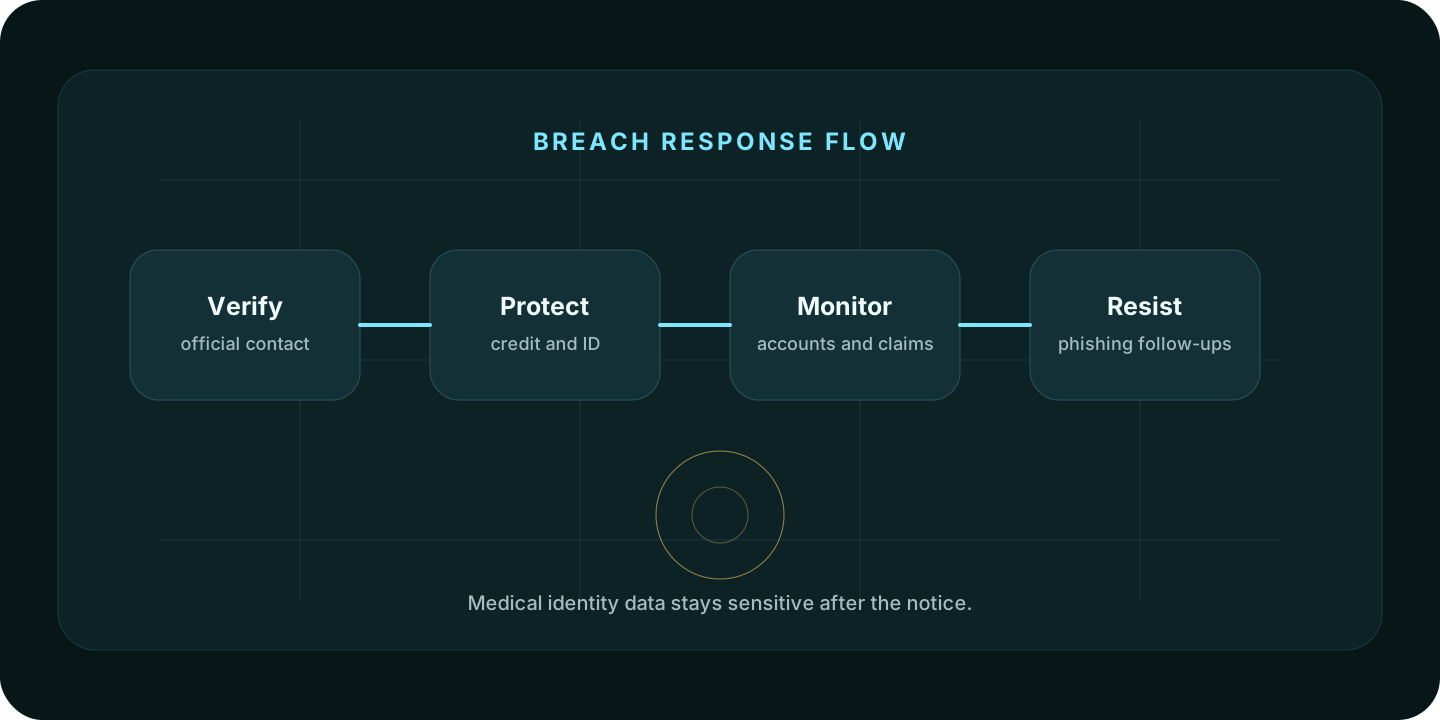
If you receive a notice about this or a similar healthcare breach, verify it through official contact channels before clicking links or calling numbers from an unexpected email.
Veteran data-breach response checklist
- Verify the notice using a known official VA or healthcare-system contact channel.
- Do not click links in urgent emails claiming to offer breach recovery help.
- Review which data categories were exposed before deciding next steps.
- Place fraud alerts or credit freezes if Social Security numbers were involved.
- Monitor VA, financial, benefits, insurance, and healthcare accounts for changes you did not make.
- Change reused passwords and enable multifactor authentication on important accounts.
- Save the breach notice, date, contact number, and any case or reference number.
Why medical data is different
A payment-card breach can often be contained by canceling a card. A medical-data breach is different. Medical and identity information can remain useful to attackers for years.
Potential misuse includes:
- identity theft
- targeted phishing
- benefit scams
- fake medical billing
- impersonation of healthcare staff or agencies
- account recovery attacks using personal details
The most important response is not panic. It is disciplined verification and monitoring.
How to spot breach-related phishing
Attackers often use real incidents as cover. A message may mention a real agency, contractor, health system, or record type to feel legitimate.
Warning signs include:
- urgent language demanding immediate action
- links to non-official domains
- requests for Social Security numbers, passwords, or one-time codes
- attachments you did not request
- pressure to pay for recovery help
- callers who ask you to “verify” sensitive information
If in doubt, close the message and contact the organization through a known official website or phone number.
What organizations should learn
Healthcare vendors need controls that match the sensitivity of the data they process. For transcription and records workflows, practical controls include:
- least-privilege access
- network segmentation
- encryption at rest and in transit
- vulnerability management
- endpoint monitoring
- tested incident response plans
- contractor security reviews
- log retention and evidence handling
- clear breach-notification procedures
The vendor route matters. Sensitive data can be exposed outside the main healthcare system when a contractor stores or processes records.
FAQ
Was VA’s electronic health record system breached?
The report said VA’s electronic health record system was not compromised. The incident was tied to a vendor-operated transcription server.
Why is a Social Security number exposure serious?
A Social Security number can be used with other personal details for identity theft, credit fraud, tax fraud, and account-recovery attacks.
Should veterans freeze their credit?
If Social Security numbers were exposed, a credit freeze is often worth considering. It can make it harder for someone to open new credit in your name. A fraud alert is another option, but it is not the same control.
Should veterans trust breach emails?
Verify first. Real breach notices can arrive by mail or email, but scammers often imitate them. Use known official contact channels instead of clicking unexpected links.
Methodology
How Aerod treats healthcare breach coverage
- Separate reported facts from defensive recommendations.
- Avoid speculating about attacker identity or motive without evidence.
- Focus on what affected readers can verify and do next.
- Treat healthcare data as long-lived identity and phishing risk.
- Avoid turning a cybersecurity incident into sensational coverage.